
The Nature of Chance in Gambling
When stepping into a casino, players often find themselves surrounded by flashing lights, ringing slots, and the palpable tension of anticipation. At the heart of this environment lies the concept of luck, a fundamental element that dictates the fortunes of players. Unlike games that heavily rely on skill, such as poker or blackjack, many casino games, especially slot machines and roulette, are driven primarily by chance. This intrinsic randomness creates an unpredictable arena where outcomes are not solely determined by a player’s prowess but by the whims of fortune, making the best online casino experience even more thrilling and exciting.
Consider a game of roulette, where players place bets on numbers or colors, hoping for a favorable spin. The outcome is entirely dependent on where the ball lands, a factor that no amount of strategy can control. Although players may develop systems or follow trends, the nature of the game remains rooted in luck. Even the most experienced gamblers can find themselves on losing streaks, showcasing that despite any skill-based approaches, luck reigns supreme in determining who wins and who loses. This characteristic of chance is what makes many casino games thrilling yet unpredictable.
Moreover, the allure of gambling often lies in the excitement of chance. Many individuals are drawn to casinos not simply for the prospect of winning but for the thrill of unpredictability that luck brings. This element transforms each spin of the slot machine or roll of the dice into a moment filled with potential, where fortunes can change in an instant. It is this unpredictability that keeps players returning, often despite their skill level, underscoring the notion that luck holds a more significant role in casinos than skill ever could. The excitement generated by chance creates an experience that is difficult to replicate in skill-based environments.
The Role of Skill in Casino Games
While it is undeniable that some casino games, such as poker or blackjack, involve strategic thinking and skill, their outcomes are still influenced by the concept of luck. In poker, for instance, players may have superior hands and strategies but can still lose to an opponent who draws a lucky card. This interplay between skill and chance highlights the importance of luck even in skill-based games. Even the best players can find themselves at the mercy of random chance when the deck is shuffled or the cards are dealt, illustrating that luck is a constant factor in every gaming session.
Additionally, the element of luck can often overshadow skill in the long run. A skilled poker player may dominate a single session, but over time, variance and luck could even the playing field. The concept of “bad beats” is familiar in the poker world, where a player may hold the best hand only to lose to an underdog scenario. This reality reinforces the idea that, regardless of one’s skill level, luck is an ever-present factor that can disrupt even the most calculated gaming strategies. Therefore, players must remain aware that luck can change the dynamics of any game at any moment.
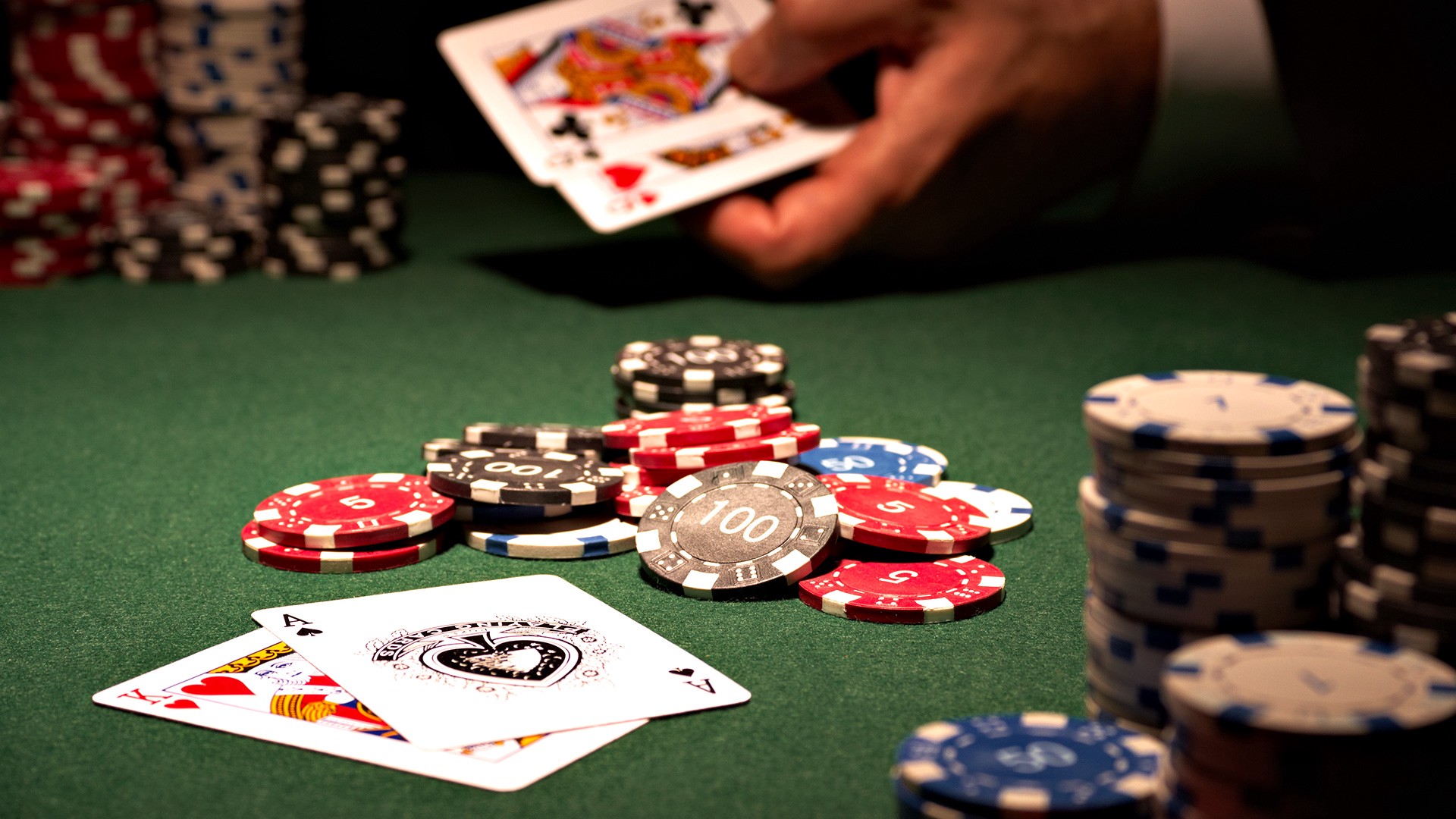
Furthermore, the influence of luck can undermine the perceived value of skill in some gambling environments. Players may flock to table games or machines that promise larger payouts based on luck rather than skill. This behavior reflects a broader understanding that, in many instances, luck can lead to unexpected victories while skill may not guarantee consistent wins. Ultimately, the ability to harness skill becomes secondary to the outcomes produced by chance, highlighting the underlying truth about casino gaming. The balance between skill and luck is delicate, but luck often tips the scales significantly.
Psychological Factors Involved in Luck-Based Games
The psychology of gambling is heavily influenced by the role of luck, where players often fall into patterns of thinking that can affect their decision-making. Many individuals believe in luck as a tangible force, leading to behaviors such as wearing “lucky” clothing or performing specific rituals before games. This belief in luck can enhance the gaming experience, creating a deeper emotional connection to outcomes that may not actually be influenced by personal performance. These psychological attachments can sometimes lead to irrational decision-making, as players may cling to notions of luck rather than statistical reality.
Additionally, cognitive biases, such as the “gambler’s fallacy” – the belief that past events can influence future outcomes – often cloud a player’s judgment in luck-based games. For example, if a particular number has not come up in roulette for several spins, players may mistakenly believe that it is “due” to hit. This miscalculation can lead to poor betting decisions and losses that would not occur if players made rational choices based solely on luck rather than flawed reasoning. This fallacy underscores the complexity of gambling psychology and how it intertwines with the role of luck.
Moreover, the thrill that comes from gambling can be heightened by these psychological factors. The unpredictability of luck often leads to heightened emotions, where players feel a rush when they win or a deep sense of disappointment when they lose. This rollercoaster of emotion can drive players to gamble more frequently, as they chase that elusive high that comes from a lucky break. In this way, luck not only determines outcomes but also shapes the entire gambling experience, creating a landscape where skill may take a backseat to chance. This emotional investment can further complicate the relationship between a player’s skill and the luck they encounter.
Implications of Luck in Gambling Strategies
Understanding the role of luck in casino gaming can have significant implications for players’ strategies. Many gamblers may invest time in developing skills for games like poker or blackjack, believing that they can control their outcomes. However, a more balanced approach that acknowledges the influence of luck can be more beneficial. This awareness can lead to more responsible gambling practices, where players set limits that consider both their skills and the inherent unpredictability of luck. By doing so, players may find themselves enjoying their gaming experiences without the stress of unrealistic expectations.
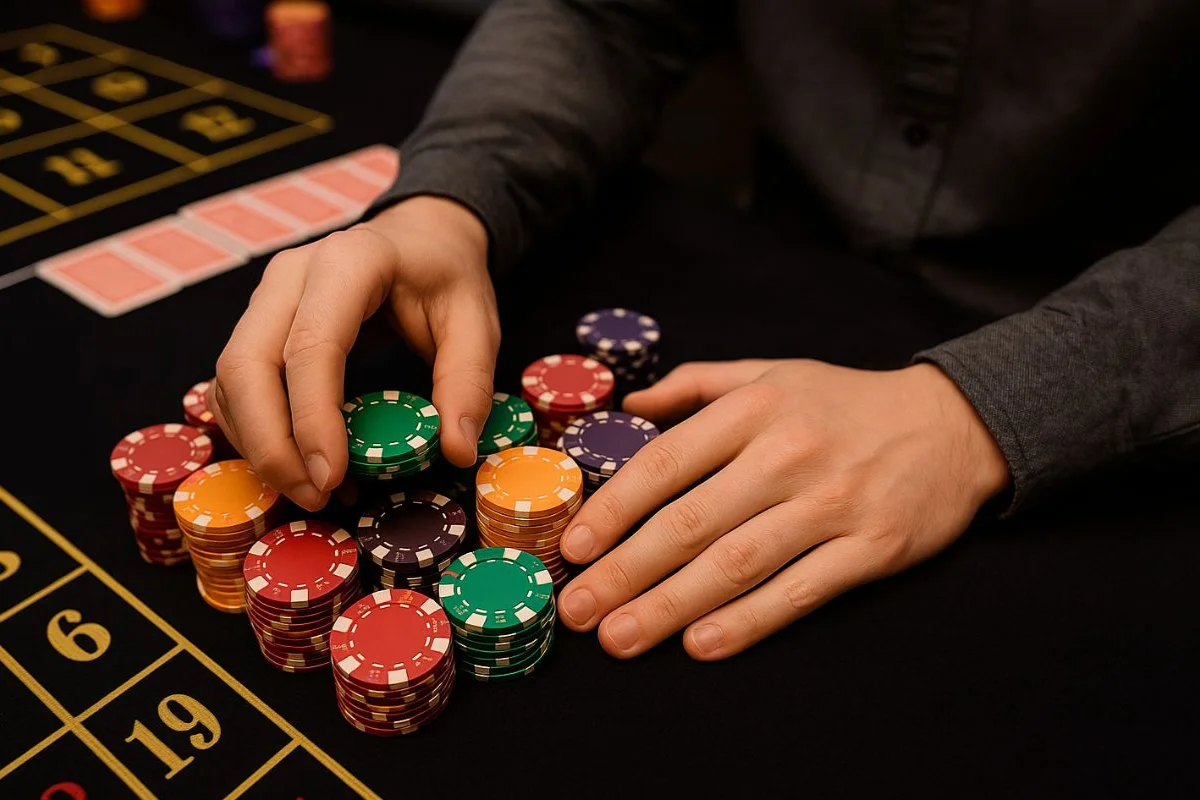
Moreover, by recognizing the power of luck, players may become less emotionally invested in outcomes. This shift can create a more enjoyable gaming experience, where the focus shifts from win/loss to the thrill of the game itself. When players approach gambling with this mindset, they can appreciate each moment spent at the tables or machines without the stress that often accompanies high-stakes games. This change in perspective can lead to healthier gambling habits and a more positive relationship with risk-taking.
Additionally, acknowledging luck’s role can encourage players to develop a broader perspective on gambling. Instead of striving solely for frequent wins, players can learn to embrace the overall experience of gambling, understanding that they are participating in a game that primarily relies on chance. This embrace of uncertainty can lead to healthier gaming habits and a more profound appreciation for the unpredictable nature of casinos. Ultimately, a well-rounded approach to gambling recognizes both luck’s power and the entertainment value of the experience.
Exploring More About Gambling Online
For those intrigued by the dynamics of luck and skill in casinos, exploring the vast world of online gambling can offer a unique perspective. Online platforms provide a multitude of games that range from pure luck scenarios, like slots and keno, to skill-based options, like poker and blackjack. Each presents its own set of challenges and opportunities, allowing players to experiment with various strategies while still confronting the pervasive element of chance. This variety can enhance the player’s understanding of how luck and skill interact in different contexts.
Additionally, playing online allows individuals to access resources and communities that can enhance their understanding of both luck and skill in gaming. This digital landscape fosters discussions and learning opportunities, where players can share insights about their experiences. Engaging with others who share similar interests can provide players with new strategies, insights into the nature of luck, and a broader understanding of the gambling world. This communal aspect can significantly enrich the online gaming experience.
Ultimately, the online gambling environment embodies the very essence of why luck matters more than skill in casinos. As players engage with games that are influenced by random outcomes, they can explore their motivations, sharpen their skills, and understand the significant role that luck plays in determining their gaming experiences. This exploration can lead to a more fulfilling and responsible approach to gambling that respects the unpredictable nature of luck. In this way, online platforms can serve as a valuable resource for those looking to navigate the complexities of chance in gaming.